 Wishlist
Quick answer: what works best in a small UK kitchen
Prioritise what you use daily, free up surfaces by moving items to vertical and hidden zones, and choose a few compact, multi-purpose storage products. That approach immediately increases usable workspace and reduces visual clutter; the rest is practical layout choices and a little maintenance.
Plan by use, not by where you bought it
Start with a five-minute audit: list the 8–12 things you actually reach for each day (e.g., kettle, cutlery, favourite pan, coffee, salt and pepper). Those should live in the most accessible drawers, shelves or wall hooks. Move infrequently used equipment — the picnic grill, seasonal baking tins — to a high shelf, under-bed storage or a cupboard in another room.
Use vertical space and door faces
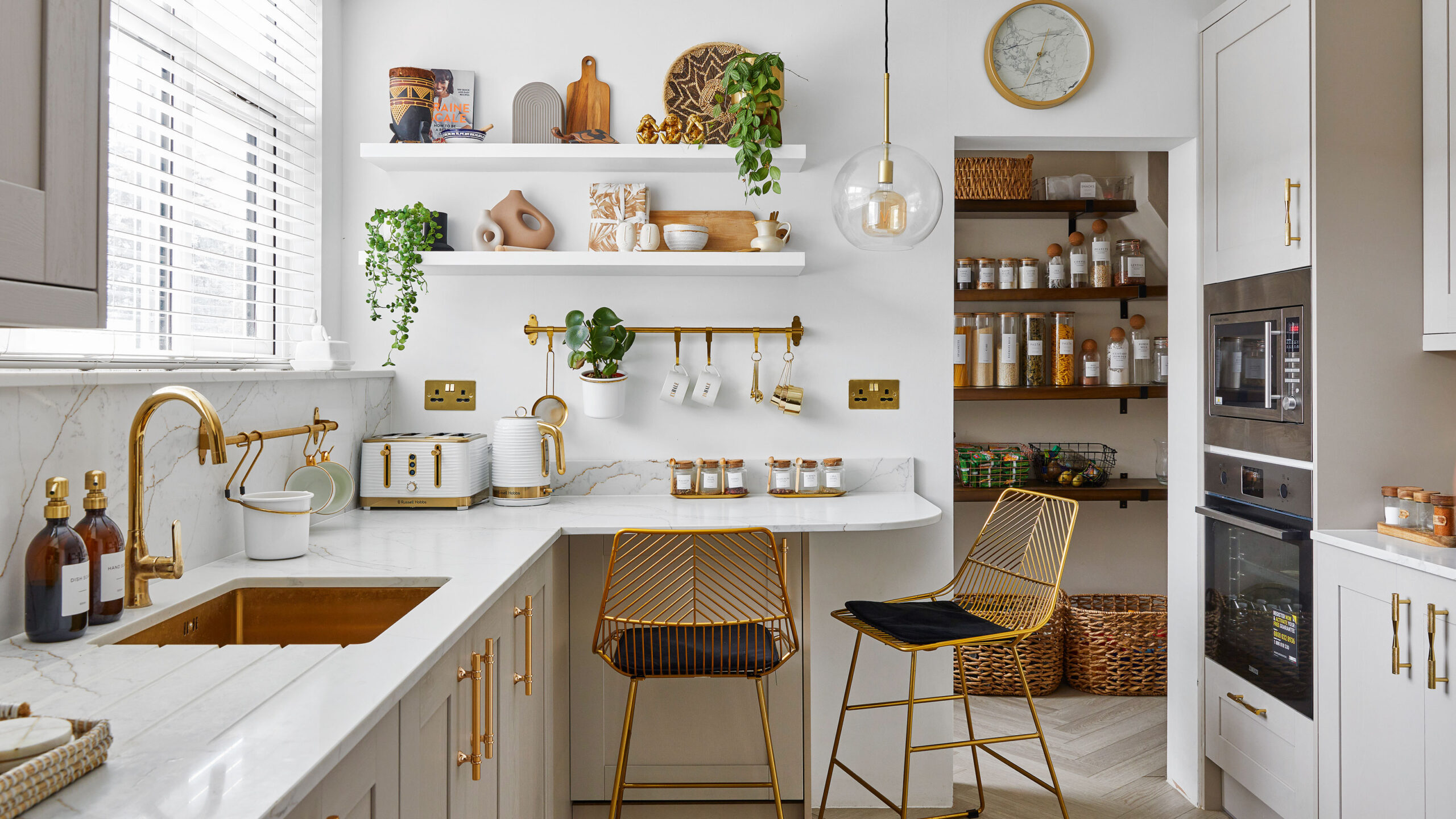
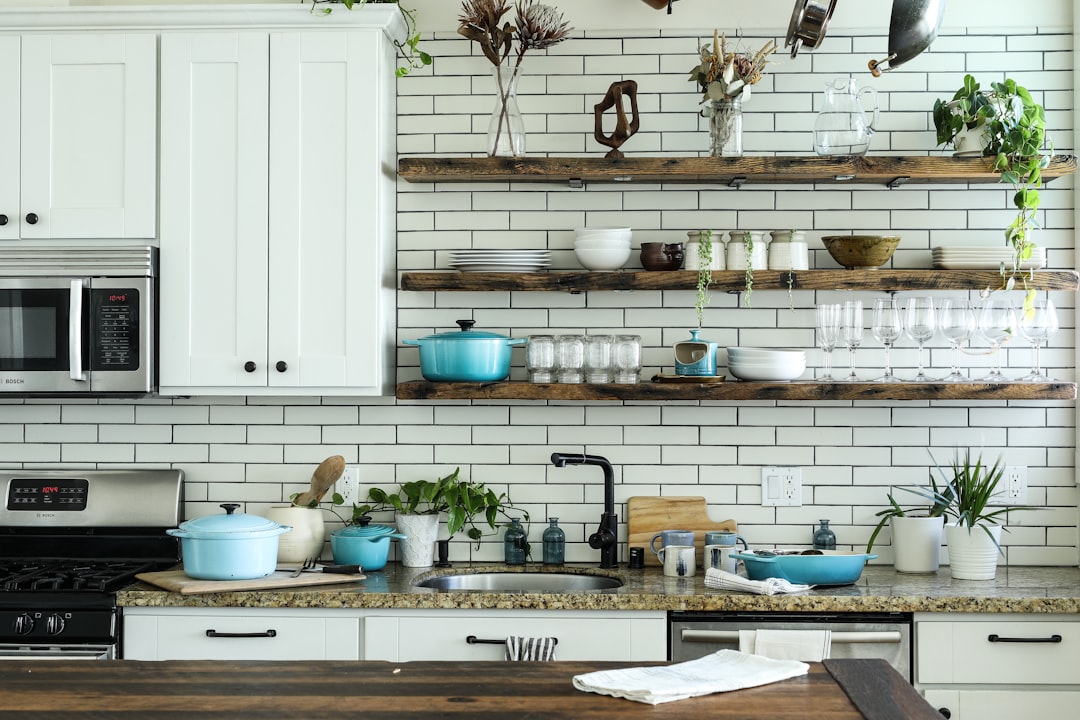
Small UK kitchens often have tall walls but limited floor area. Fit shallow open shelves above counters for glasses, mugs and frequently used tins; add a magnetic knife strip to the splashback; hang pots and pans from a slim rail or ceiling rack if ceiling height allows. Inside cupboard doors install slim spice racks or hanging organisers for foil, clingfilm and tea towels.
Zone your kitchen so small spaces feel ordered
Create micro-zones: prep (clearing area next to hob), cooking (hob and immediate utensil storage), bake/oven (shelves near oven), and cleaning (sink, bins, cloths). Keep each zone limited to items for that task — this reduces the time spent rummaging and prevents one drawer becoming a catch-all.
Choose stackable and clear storage for cupboards and fridge
Use stackable containers and clear bins so you can see contents and stack vertically in cupboards or the fridge. Clear fridge organiser bins are especially helpful in small fridges: they keep bottles upright, stop spills spreading and allow you to slide a whole tray out to check contents quickly.

Make your sink area work harder
Limit dish-drying clutter by using a slim over-sink rack or a draining board that folds away. Under the sink, fit a pull-out caddy for cleaning supplies and a compact bin system — this frees surface space and keeps wet items contained. If waste storage is tight, a slim tall bin or a split compost/residual bin on a pull-out unit makes kitchen life neater.
Maximise narrow or awkward cupboards with inserts
Narrow gaps next to fridges or between units are perfect for slim pull-out shelves for oils, spices and bottles. Inside deep cupboards, add tiered shelving or wire baskets to avoid stacking items behind one another. For plates and baking sheets, an upright divider turns a pile into an easy-to-grab rack.
Adopt a "one-surface" rule for countertops
Decide on one small area of counter that must remain clear for prep and cooking (often 40–60cm). Everything else goes away at the end of the day: kettle returns to a designated shelf, chopping boards stack vertically, and appliances that are not used daily live in cupboards. This keeps the kitchen tidy and makes it feel larger.
Use the right small-kitchen products (one recommended)
For many small UK kitchens, versatile storage boxes are the fastest win — they tame shelves, pantries and drawers. The Niftii Storage Boxes (Product ID 763) are a high-match option for compact homes: stackable, sized for kitchen shelves and simple to label. Use them to corral tea bags, packet mixes, snack pots and loose utensils so everything remains mobile and visible.
Label and standardise containers to cut decision time
Label tops and fronts of boxes and jars so you can identify contents at a glance — this saves time in a busy morning routine. Keep a small stash of identical jars for dry goods like rice, pasta and sugar; standard diameters stack or sit in trays neatly and look less cluttered than mismatched packages.
Small habits that keep small kitchens working
- Clear as you go when cooking — wipe the area between tasks to avoid a post-meal pile-up.
- Run a weekly 5–10 minute pantry/fridge check to move wilting food and consolidate containers.
- Adopt “one in, one out” for cookware and gadgets: if a new appliance comes in, decide which old item to give away.
When to rethink layout or invest
If you consistently lack counter space or storage despite good habits, consider small layout changes: a slim rolling island for extra prep and storage, replacing a standard bin with a narrow pull-out system, or fitting under-cabinet lighting and shallow shelves for mugs. These targeted changes often cost far less than a full refit and yield immediate functionality gains.
Quick checklist to start today
Begin by clearing one surface, auditing daily-use items, and buying one stackable solution (shelf box or clear fridge bin). Small, tangible changes compound quickly in compact spaces.
- List the 8–12 items you use every day and assign a home for each.
- Create a clear prep surface (40–60cm) and keep it free each day.
- Buy one stackable storage box or clear fridge bin to consolidate loose items.
- Install a magnetic knife strip or slim rail to free drawer/cupboard space.
- Add under-sink pull-out caddy for cleaning and a compact bin solution.
Small UK kitchens work best when you design around daily use: keep frequently used items accessible, move the rest vertically or out of sight, and adopt a couple of tailored storage products. Regular five- to ten-minute maintenance prevents clutter from reclaiming the space.
How can I make a very small kitchen feel bigger?
Keep counters clear, use open shelving and light wall colours, and use matching storage boxes to reduce visual clutter; reflective surfaces like glass or light tiles also help the sense of space.
What storage is best for small fridges?
Clear, stackable fridge organiser bins and upright bottle holders maximise capacity and make it easier to slide items out for inspection.
Are wall-mounted racks suitable for rented flats?
Yes — choose removable hooks and rails that use adhesive or minimally invasive fixings, or use over-cabinet hanging systems to avoid drilling.
Which kitchen gadgets should I keep in a small kitchen?
Keep multi-function, daily-use items (kettle, one good pan, a toaster or grill) and store single-use gadgets elsewhere unless you use them weekly.
Can a slim island work in a narrow galley kitchen?
Sometimes — choose a narrow rolling island with open shelving that can be moved when not in use; ensure at least 70cm clearance each side for safe movement.