 Wishlist
Start from the end: what a small organised home should feel like
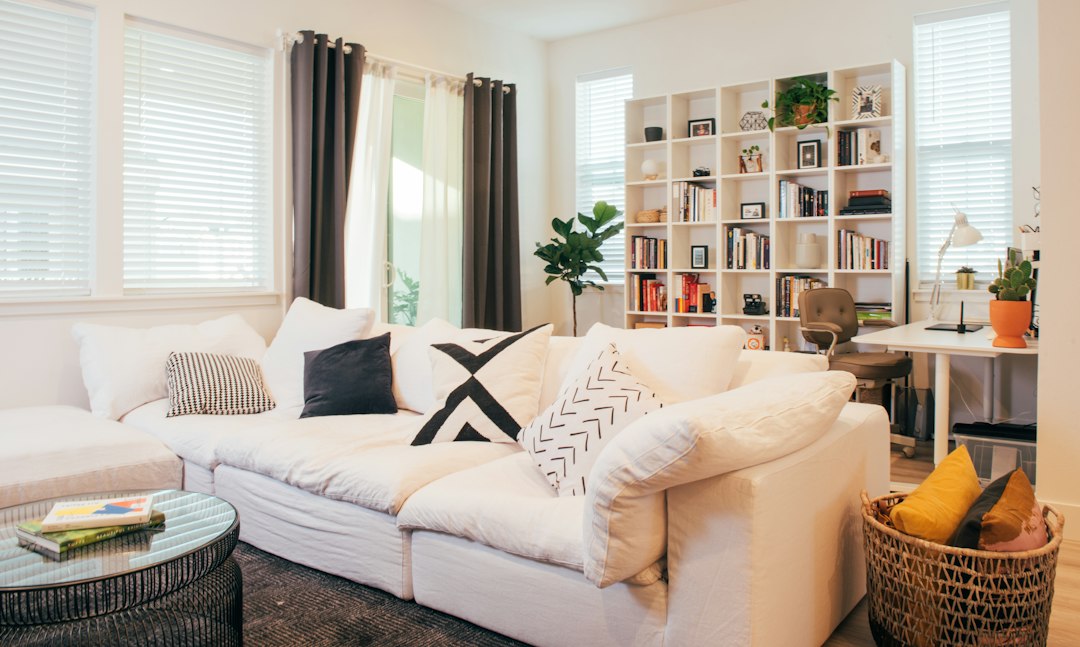
Organise a small home so it feels calm, not empty: surfaces mostly clear, everyday items within easy reach, and storage that hides bulk while keeping things accessible. The goal is breathable visual space rather than perfect minimalism. With that target in mind, use a short plan: edit belongings, choose concealed and vertical storage, standardise containers, and create daily habits to stop clutter returning.
Decide what stays—quick, ruthless editing
Before buying storage, reduce volume. Small homes only work if you cut duplicates and seldom-used items. Tackle by category, not room; doing all socks, then all books, produces faster decisions.
- Keep what you use weekly (or seasonally if you have reliable rotation).
- If an item hasn’t been used in 12 months and has no sentimental value, recycle, donate, or sell it.
- Use three bins: keep, donate/sell, recycle/trash. Move quickly—don’t re-evaluate every piece.
Make storage disappear: concealment beats display in small spaces
Open shelving looks airy but multiplies visual clutter in tight spaces. Prioritise storage that conceals—cabinets, closed baskets, boxes—and keep displays intentionally small.
- Use furniture with built-in storage: benches, ottomans, coffee tables with lids.
- Place frequently used but unattractive items (chargers, remotes, craft supplies) in labelled boxes inside cabinets.
- Reserve one low shelf or mantel for a short, edited display—no more than three objects grouped by size.
Exploit vertical and underused spaces
Floor area is precious. Think up and under: walls, doors, the space under beds and stairs.
- Install narrow, tall shelving in living rooms or between furniture—shelves as thin as 20–25 cm keep walkways open.
- Use over-door racks for linen or cleaning supplies, and wall hooks for bags and coats instead of freestanding racks.
- Under-bed boxes or slim rolling drawers are excellent for out-of-season clothing or spare bedding.
Make each zone work for a single purpose
In small homes, mixed-use zones create friction and clutter. Define purpose for every corner and give it proper storage.
- Entryway: a shoe tray, a slim storage bench, and wall hooks. Keep a ‘grab’ basket for keys, masks and the day’s mail.
- Work nook: one desktop, a slim filing drawer, and a cable box to hide chargers—no piles of paper on the couch.
- Kitchen: group similar items (baking, cereal, snacks) in clear or uniform containers so the small pantry reads tidy.
Standardise containers so storage looks organised
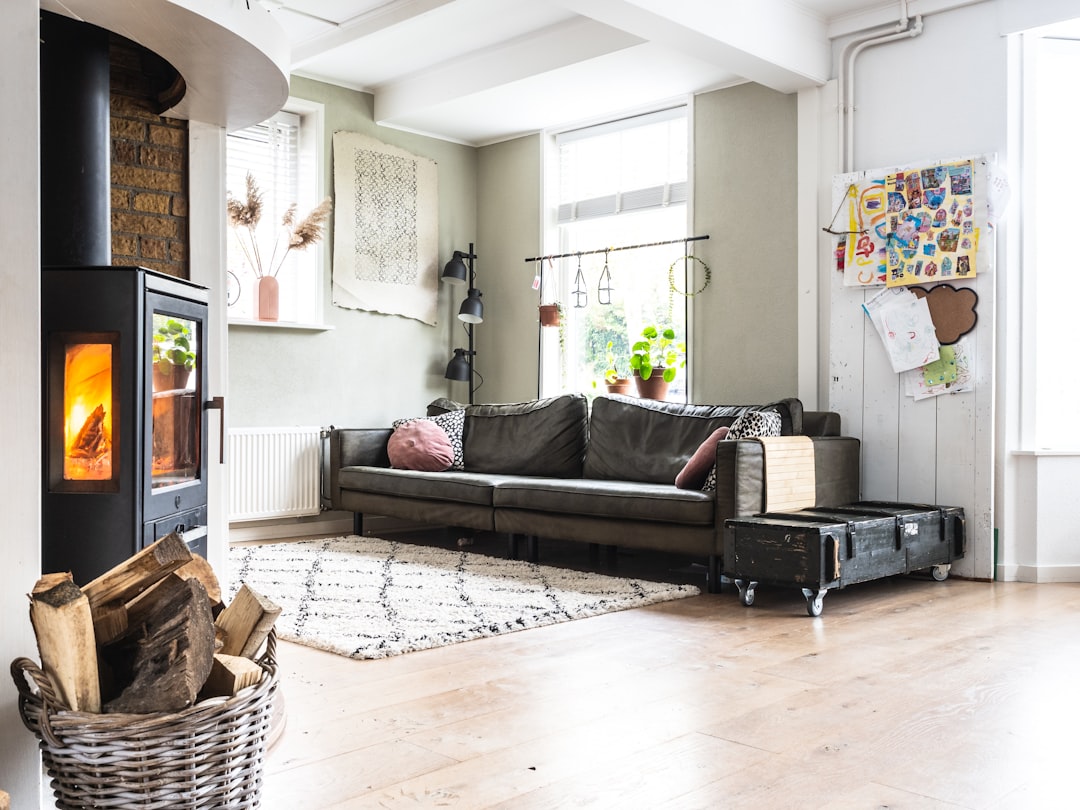
Consistent storage—same-size boxes or baskets—reduces visual noise and stacks neatly. Pick 2–3 finishes (e.g., woven, matte plastic, clear) and stick to them across rooms.
- Use clear bins in the fridge and pantry for visibility; opaque boxes elsewhere to hide contents.
- Label boxes with simple tags; labels reduce re-shuffling and make shared homes run smoothly.
- Choose narrow vertical boxes for shelves: they fill gaps without creating awkward negative space.
Place the most used items at eye level and inside easy reach
Small homes become cluttered when people can’t put things back because storage is inconvenient. Arrange storage by frequency of use.
- Daily items on middle shelves and in top drawers; seasonal and rarely used items up high or under beds.
- Keep a small basket near the door for daily essentials so they aren’t dropped on surfaces.
- For children's toys, use low, front-facing bins so kids can tidy themselves.
Lighting and surfaces: tricks that reduce visual weight
Good light and simple surfaces make a small space feel airier. Swap heavy lampshades and patterned textiles for light-reflecting surfaces and a limited palette.
- Use mirrors thoughtfully to reflect light and double perceived space—place near a window or opposite warm lighting.
- Keep surfaces clear; one lamp and one decorative object per side table avoids visual clutter.
- Consider warm, layered lighting rather than a single harsh overhead to create depth without crowding.
Habit building: daily 10-minute resets and weekly maintenance
Organisation loses ground fast in small spaces. Short, regular maintenance prevents clutter from stacking up.
- Daily 10-minute tidy: clear surfaces, return items to labelled boxes, wipe counters.
- Weekly sweep: check catch-all spots (hallway table, kitchen counter) and process items into keep/donate/trash bins.
- Monthly edit: reassess one category—wardrobe, books, kitchen gadgets—and remove anything unused.
When to invest in a product—and one to consider now
If you need a quick, general-purpose storage solution that fits narrow shelves and hides items neatly, a stackable, uniform box set is the practical first buy. For small homes that need flexible, hideaway storage, choose a strong all-round candidate from the store.
Troubleshooting and simple adaptations
If a strategy isn’t working:
- Too many items still visible: switch open shelving to baskets or closed-front cabinets.
- Storage underused because it’s hard to access: replace with pull-out drawers or clear labelled bins on rollers.
- Family members not following the system: create a single shared ‘launch pad’ for daily items and label responsibilities.
Room-specific quick notes
Kitchen: clear fridge organisers and pull-out wire baskets keep counters free. Bedroom: use slim bedside shelves and under-bed storage. Living room: storage ottomans and a single media unit reduce multiple small pieces.
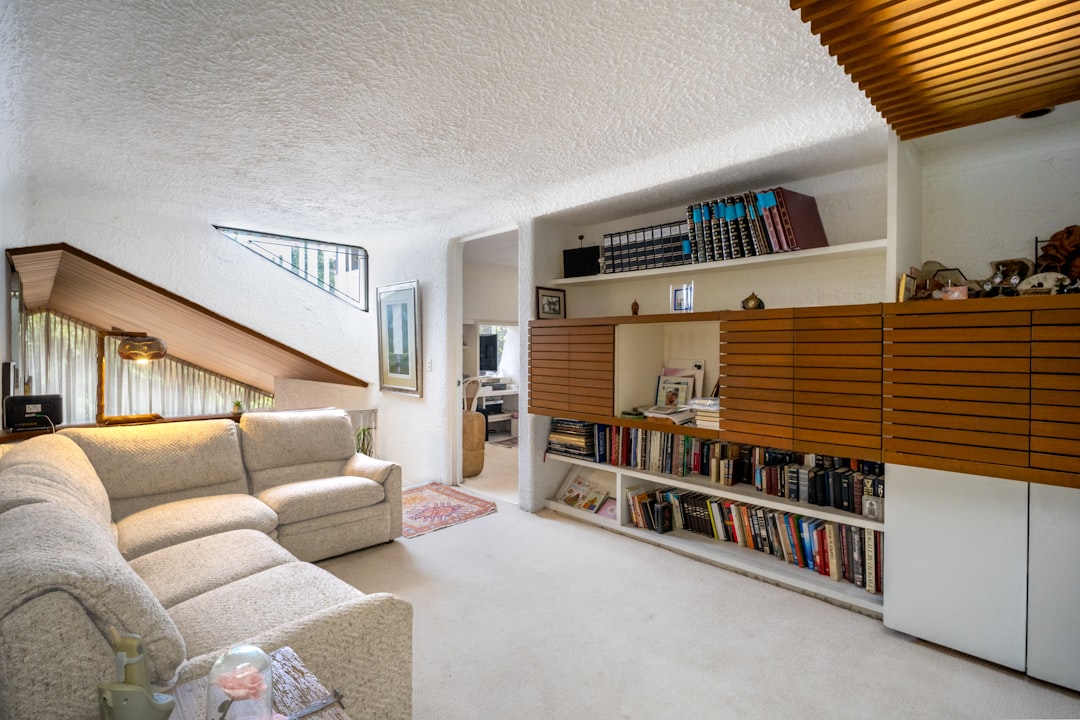
- Edit by category: keep weekly-use items only.
- Choose concealed and uniform storage across rooms.
- Use vertical and under-bed spaces first, not floor space.
- Arrange storage by frequency of use (eye-level for daily items).
- Commit to a 10-minute daily tidy and a short weekly sweep.
A small home feels uncluttered when you remove extras, hide bulk in uniform storage, exploit vertical space and build short daily habits. Prioritise convenience: storage that’s easy to use will actually be used.
How much storage do I need in a small home?
Enough to keep daily items accessible and seasonal/rare items out of sight—prioritise concealed vertical and under-bed storage over extra furniture that consumes floor space.
Are open shelves bad for small spaces?
Open shelves can work if carefully edited and sparsely styled; otherwise opaque containers and closed shelving reduce visual clutter more reliably.
What’s the quickest way to make a small home seem larger?
Clear surfaces, consistent storage containers, and a simple lighting plan (mirrors and layered light) produce immediate spaciousness.
How do I stop clutter coming back?
Daily 10-minute resets, a single landing spot for daily items, and monthly edits of one category keep accumulation under control.
Which furniture pieces are best for small homes?
Multi-purpose pieces with hidden storage—benches, ottomans, beds with drawers, narrow tall shelving—deliver the best space-per-use value.