 Wishlist

Many people mix up purpose: dehumidifiers treat moisture, purifiers treat particles
The clearest short answer is: a dehumidifier reduces indoor humidity and prevents condensation-related problems; an air purifier removes airborne particles such as dust, pollen, smoke and many allergens. If you searched "dehumidifier vs air purifier" you probably want to know which device will actually fix the issue you’re noticing — damp walls, recurring mould, allergy flares, or stale-smelling rooms. Below is a practical way to decide.
Decision criteria — the four things that matter when choosing
Before comparing specs, establish what outcome you need. Use these criteria to guide your choice:
- Primary problem: excess moisture (condensation, damp, mould) vs airborne particles (dust, pet dander, pollen, smoke).
- Measured numbers: relative humidity (RH%) for moisture; particulate levels (PM2.5) or obvious allergen symptoms for air quality.
- Space and placement: bathroom, basement or small bedroom versus open-plan living rooms and bedrooms where air circulates.
- Running cost and maintenance: energy use, emptying water tanks vs filter replacements and inspection.
How they work and why that matters
Dehumidifier: it pulls moist air over cold coils (refrigerant) or uses adsorption, condenses water and collects it in a tank or drains it away. Lower humidity slows mould growth, reduces mustiness and makes spaces feel cooler.
Air purifier: it draws air through filters—mechanical HEPA for particles, activated carbon for odours and gases—then returns cleaner air. It doesn't remove water vapour, so it won't stop condensation or stop mould fed by humidity.
Key trade-offs to consider

- Problem specificity: If you have visible mould, damp patches, or persistent condensation, a dehumidifier is the direct fix. If you sneeze, have asthma triggers, or smell smoke/odours, an air purifier (with HEPA and carbon) is the right tool.
- Speed of effect: Dehumidifiers change measurable RH% within hours in a closed space; purifiers gradually lower particle counts but can show fast symptom relief for allergy sufferers when placed in bedrooms.
- Energy and noise: Dehumidifiers typically use more power and can be louder when running continuously; modern air purifiers often have low-power night modes and quieter fans.
- Maintenance: Dehumidifiers require regular emptying/drain setup and occasional coil cleaning; air purifiers need periodic HEPA and carbon filter replacements and pre-filter cleaning.
- Secondary benefits: Dehumidifiers can reduce dust mites and mould risk indirectly (they thrive above ~60% RH). Air purifiers can remove smoke, VOCs (with activated carbon) and ultrafine particles—useful even when humidity is normal.
Common situations and the right choice
Here are typical household scenarios and what to choose.
Damp basement or musty storage room
Choose a dehumidifier. Basements are enclosed and often exceed safe humidity levels; running a dehumidifier (aim for 45–55% RH) prevents mould and structural damage. If the basement also has dust or smoke problems, add an air purifier, but don’t expect a purifier alone to fix mould.
Allergy symptoms, pet dander, dust in living areas
Choose an air purifier with a true HEPA filter. It will reduce airborne triggers and improve sleep when used in bedrooms. Look for CADR ratings appropriate for room size and, ideally, a model with activated carbon if cooking smells or VOCs are present.
Stuffy, smelly rooms after cooking or smoking
Start with an air purifier that includes activated carbon; it removes odours better than HEPA alone. If lingering damp smells persist, check humidity—high RH can make odours cling and then a dehumidifier helps.
Condensation on windows and peeling paint
Dehumidifier. Those are classic humidity problems and will not be solved by filtration. Also check ventilation (extractor fans) and heating—reducing moisture sources is important alongside mechanical dehumidification.
When you might need both
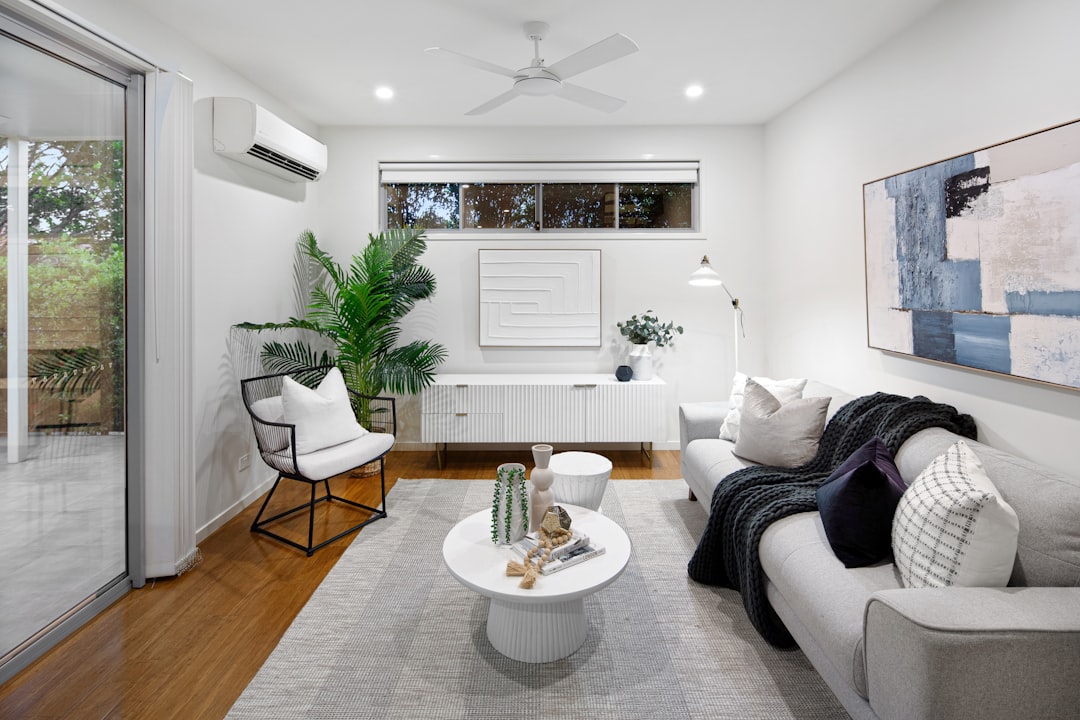
Some homes benefit from both devices. For example, a damp basement that is also dusty or a household with smokers and mould-prone rooms. In that case:
- Use a dehumidifier to keep RH in the safe range (40–55%).
- Use an air purifier in occupied spaces or bedrooms to lower particle exposure.
Combined use can be complementary; position each device for its role (dehumidifier where moisture collects; purifier where people sleep or spend most time).
One recommended product and why
If you need an air purifier for bedrooms and general living areas, consider a well-reviewed model that balances CADR, energy use and reliable HEPA filtration.
Simple tests to decide quickly
- Measure humidity with a hygrometer. If RH > 60% regularly, a dehumidifier should be your priority.
- Run a short allergy symptom test: turn on a HEPA purifier in your bedroom for several nights. If symptoms improve, keep the purifier on a nightly schedule.
- Smell and visual check: visible mould or ongoing condensation = dehumidifier; persistent smoke or cooking odours = purifier with carbon.
- Measure room size and RH% (hygrometer) to match device capacity.
- Decide primary goal: lower humidity or remove particles/odour.
- Plan for maintenance: filter costs and frequency, or emptying/drain options.
- Check noise levels for bedroom use and energy ratings for continuous operation.
- Confirm drainage options for dehumidifiers in basements to avoid emptying tanks.
Pick a dehumidifier when humidity and condensation are the problem; pick an air purifier for allergies, smoke, dust and odours. If both moisture and particles affect your home, run a dehumidifier to protect structure and mould growth and an air purifier where people sleep and spend time.
Can an air purifier remove mould?
An air purifier can remove airborne mould spores, but it won’t stop mould growth caused by high humidity or wet surfaces; controlling moisture is necessary to prevent recurrent mould.
Will a dehumidifier help allergies?
Indirectly. Lower humidity reduces dust mite populations and mould growth, which can lower some allergy triggers, but a dehumidifier won’t remove airborne pollen or pet dander.
How do I size each device for a room?
For dehumidifiers, check litres per day capacity and manufacturer room guidance; for purifiers, use CADR and recommended room coverage. Always choose a margin above your room size for continuous effectiveness.
Are both expensive to run 24/7?
Dehumidifiers usually use more power than purifiers; many purifiers have low-energy night modes. Compare wattage and expected daily run hours for realistic cost estimates.
Can a single device do both jobs?
Some hybrid devices claim both functions, but they rarely match the performance of dedicated units; for serious humidity or allergy issues, dedicated devices are more reliable.